






Fun Experiments
Boost STEM Interest with Science-Toy Play in Early Years
Introducing young children to hands-on science and STEM toys doesn’t just spark curiosity—it can shape their attitudes toward learning for years to come. Data on early childhood development reinforce that the kinds of home learning experiences children engage in before age 6 affect school readiness and lifelong outcomes.
Early Childhood Development and Education
Data on Child Care and Early Learning in the United States
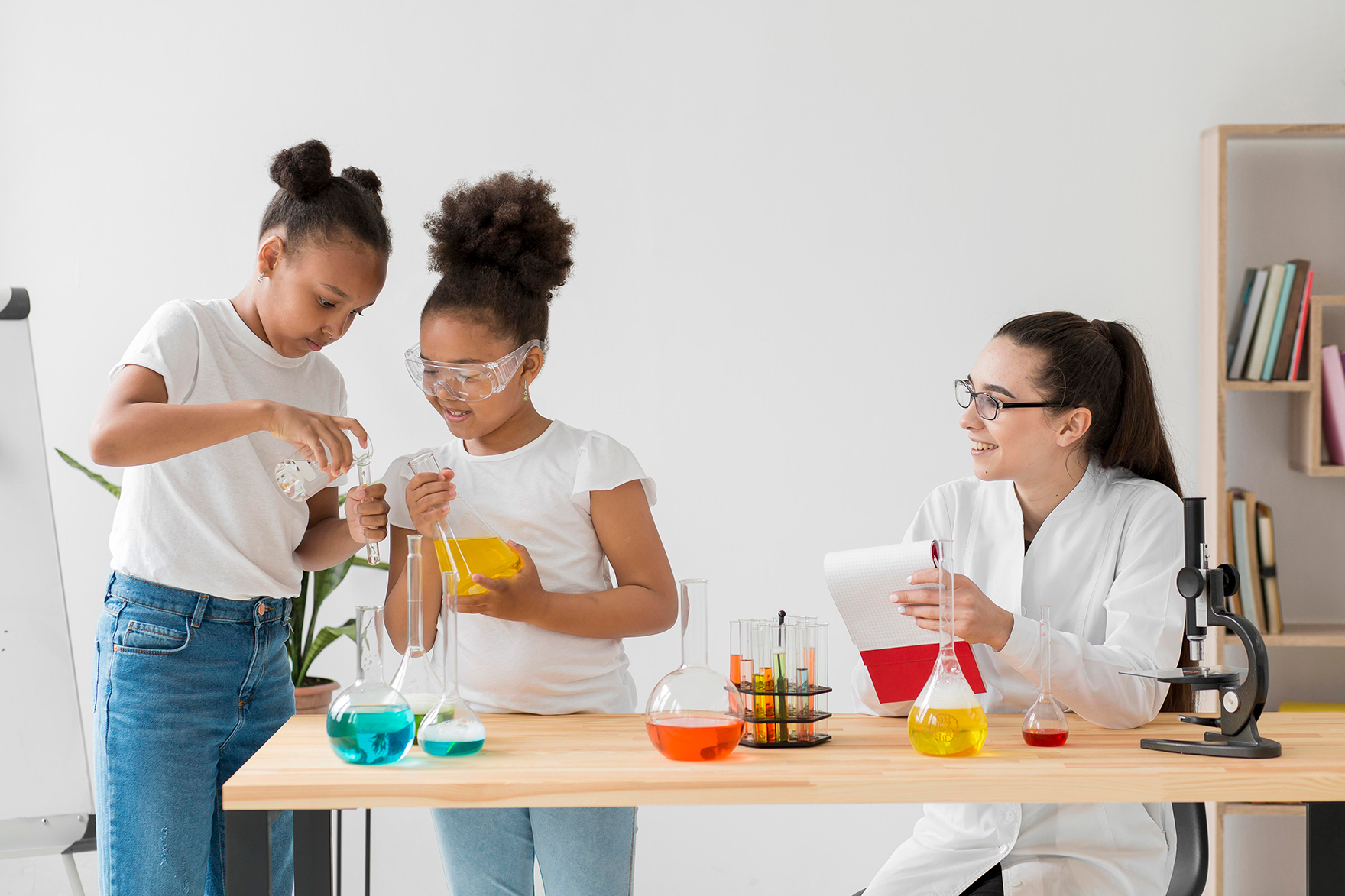
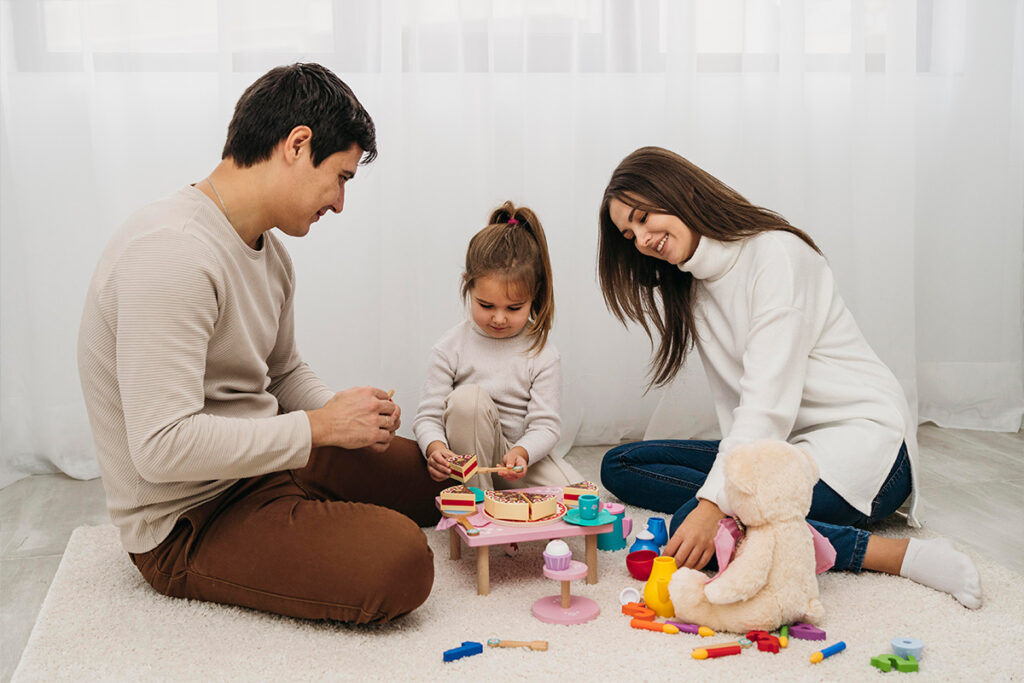
At home, simple science kits, building sets, and math logic toys invite children to ask “why”, “how”, and “what happens if…”. This builds not only factual knowledge but also confidence in trial and error—an essential component of STEM mindset.
When parents choose from Famtoy’s STEM & Science category, look for: science experiment kits that are age-appropriate, building/robotic kits with clear instructions, and math-puzzle games that mix counting with spatial reasoning. These toys align perfectly with early-learning data showing that children who engage in such activities before kindergarten are better prepared for school.

Famtoy
“Young children’s care and education before kindergarten lay the foundation for lifelong learning. Through nurturing environments, play-based learning, and social interaction, children develop essential skills, confidence, and curiosity that prepare them for school and beyond.”
The key takeaway: make science fun, safe, and part of play, and you’re setting up your child not just for the next grade—but for a lifelong love of discovery.
Beyond the colorful beakers and the “wow” moments of a successful bubble or simple circuit, the deepest value of early STEM play lies in the relationship it builds between child and caregiver. When parents join in—naming observations, asking open questions, offering gentle scaffolding, and celebrating effort rather than flawless outcomes—they teach children how to think, not what to think. That shared attention models curiosity, patience, and a growth mindset: it’s okay to make mistakes, to hypothesize, to try again. Practical habits matter too. Turning routine moments into mini-experiments (why does ice melt faster in the sun? what happens if we stack blocks differently?) embeds scientific thinking into everyday life without pressure. Keep activities short, sensory-rich, and age-appropriate; follow the child’s lead rather than forcing an agenda. Use simple language to label actions and feelings, which strengthens both vocabulary and emotional regulation. Encourage prediction and reflection—ask “what do you think will happen?” and later “why do you think that happened?”—so children learn to connect cause and effect. Most importantly, be present: your warmth and attention create a safe space for exploration. Over time, these small, playful interactions compound into resilience, confidence, and a lifelong appetite for discovery that no single experiment or worksheet can replace.