










Baby Milestones
How Early Play Impacts Brain Development by Age Three
Research shows that the first three years of a child’s life are a uniquely powerful window for brain development. According to the Centers for Disease Control and Prevention, early childhood development programs and home-learning experiences strongly influence long-term cognitive, social, and emotional outcomes.
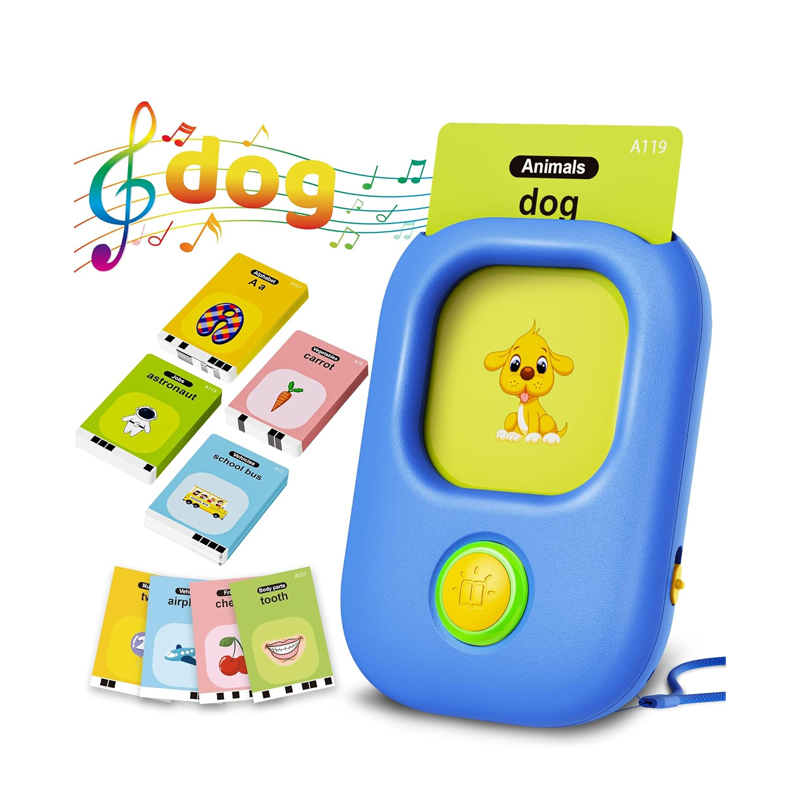

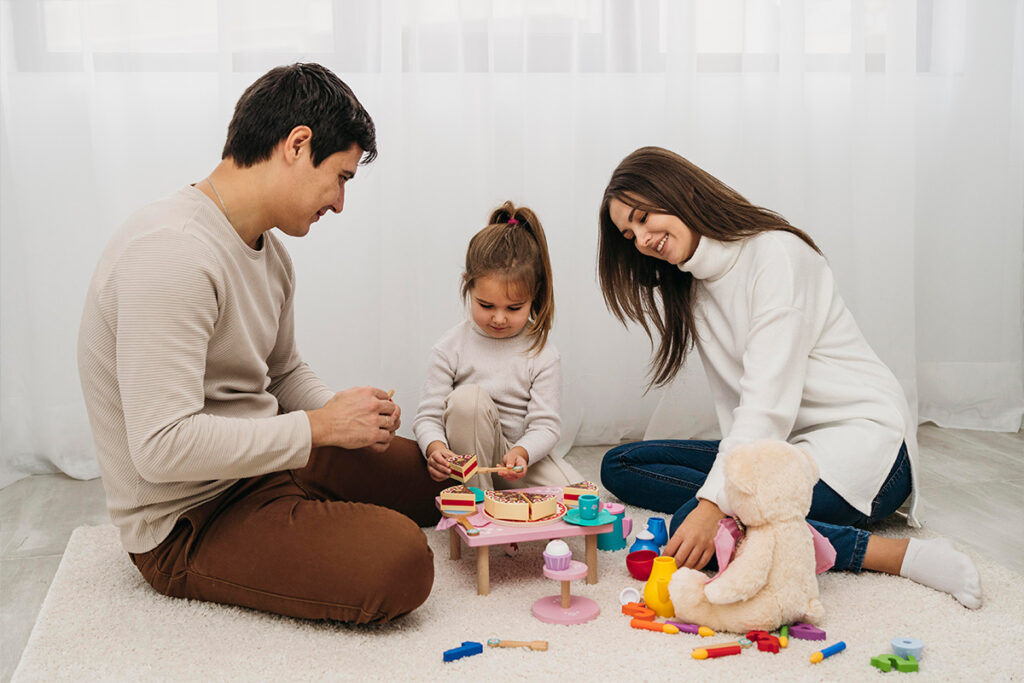
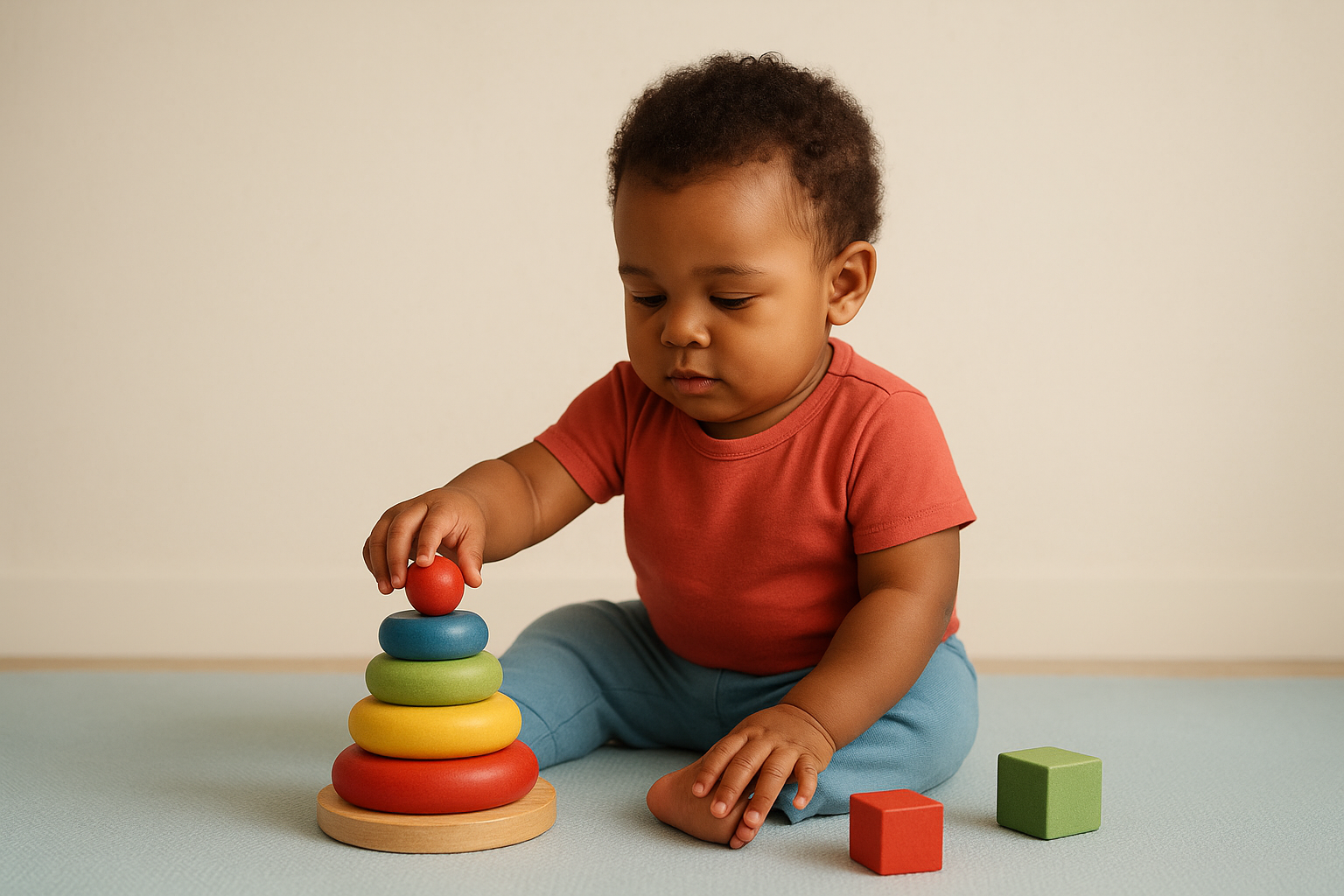
For example, children who regularly engage in age-appropriate play – stacking blocks, shape sorting, simple puzzles – tend to demonstrate better motor coordination and problem-solving skills when entering preschool. In one longitudinal study, home experiences focused on letter-sound interaction and number games significantly predicted later counting ability, independent of language skills.
For parents and caregivers browsing Famtoy, consider choosing toys that promote stacking, sorting, and sensory exploration. These help trigger neural pathways in early years when more than 90% of a child’s brain is formed. Quality play isn’t just fun—it’s fundamental.
By selecting the right early-learning toys and creating structured play times, you can support your child’s readiness for school and lifelong learning. Families that integrate play into daily routines often notice more curiosity, better focus, and smoother transitions to formal education.